How to Open a Bank Account Without a PAN Card? 

This article explains how to open a bank account without a PAN card in India using two official RBI-approved routes: a zero balance BSBDA account (no PAN needed) and a regular savings account via Form 60. Includes step-by-step guidance, document lists, BSBDA transaction limits, three real-life examples and a dedicated section for students.  You can open a …

List of Government Banks in India: All 12 Nationalised Banks Explained 

This article covers the full list of government banks in India (all 12 nationalised banks and PSBs), explains the 2020 mergers that reshaped the sector and helps you compare public sector banks with private banks on rates, speed and scheme access.  India has exactly 12 government banks right now. Not 15, not 20. Just 12. This matters whether you are …

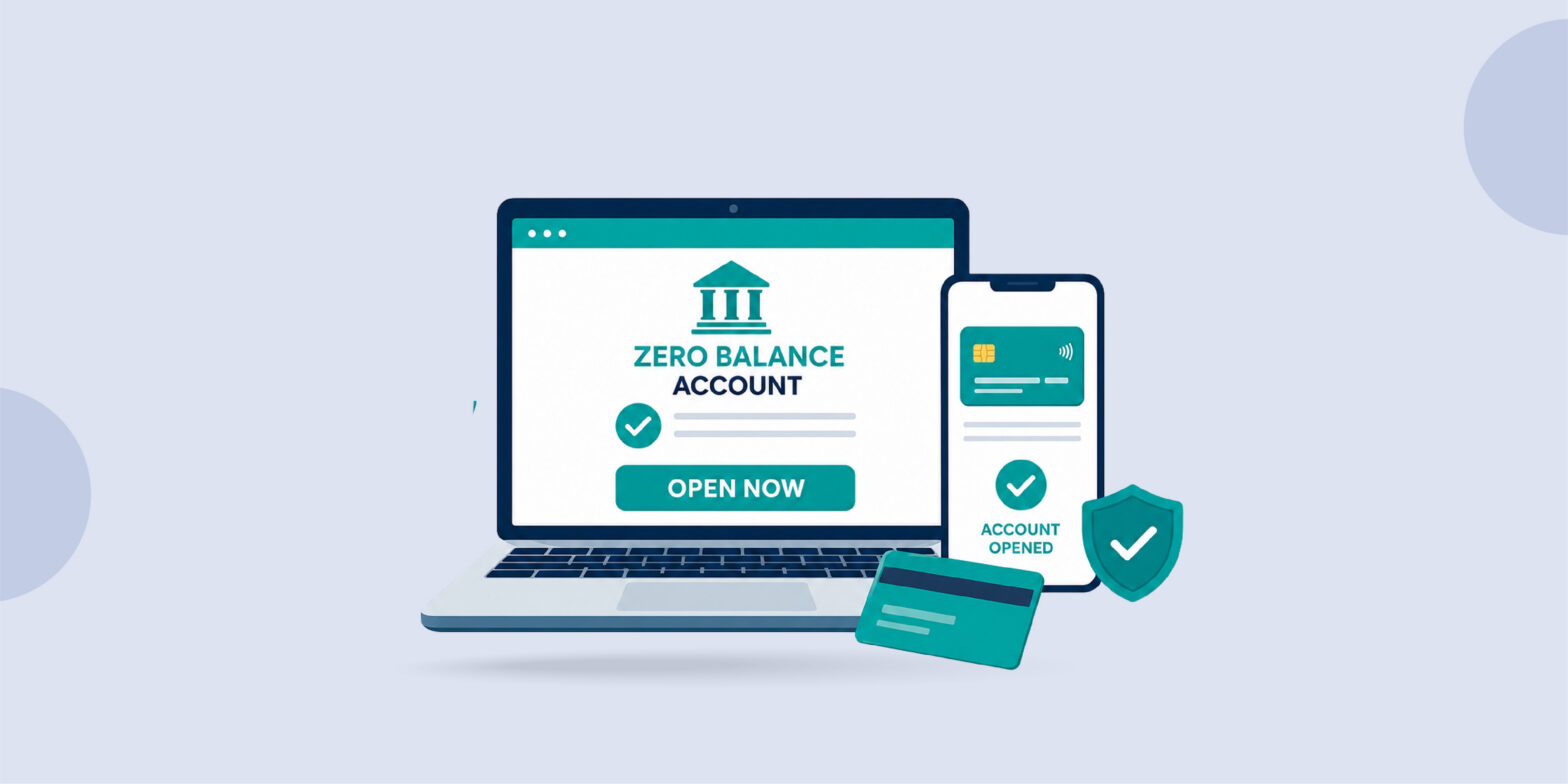
How to Open Zero Balance Account Online: Step-by-Step Guide

This guide covers how to open a zero balance account online in India, eligibility, required documents, a step-by-step process for SBI, HDFC, ICICI and Kotak, and the best zero balance accounts in 2026. Most accounts activate in under 15 minutes using Aadhaar OTP eKYC.   Opening a zero balance account online takes under 15 minutes. No branch visit, no queues. Just your Aadhaar, PAN and …

How to Fill a Bank Account Opening Form: Step-by-Step Guide

This guide covers how to fill a bank account opening form in India, field by field, including the documents required for bank account opening, common errors to avoid and what to do if you do not have a PAN card. Whether you are visiting a branch or filling the form online, the whole thing takes under 15 …

Key Differences Between Repo Rate, Bank Rate and Marginal Standing Facility Rate 

This article compares 3 key RBI policy rates: Repo Rate, Bank Rate and Marginal Standing Facility (MSF) Rate, explaining the difference between repo rate and bank rate, the marginal standing facility rate meaning and how the current repo rate in India 2026 affects your loan EMIs. 3 real borrower examples show how RLLR, MCLR and fixed-rate loans each respond differently to rate changes.  …

Difference Between Bearer Cheque and Order Cheque 

This article explains the difference between a bearer cheque and an order cheque, two of the most common types of cheques in India. You will learn what each type means, how they are transferred, when to use them and what happens if a bearer cheque is lost or stolen.  When you fill out a cheque, 2 small words on that …

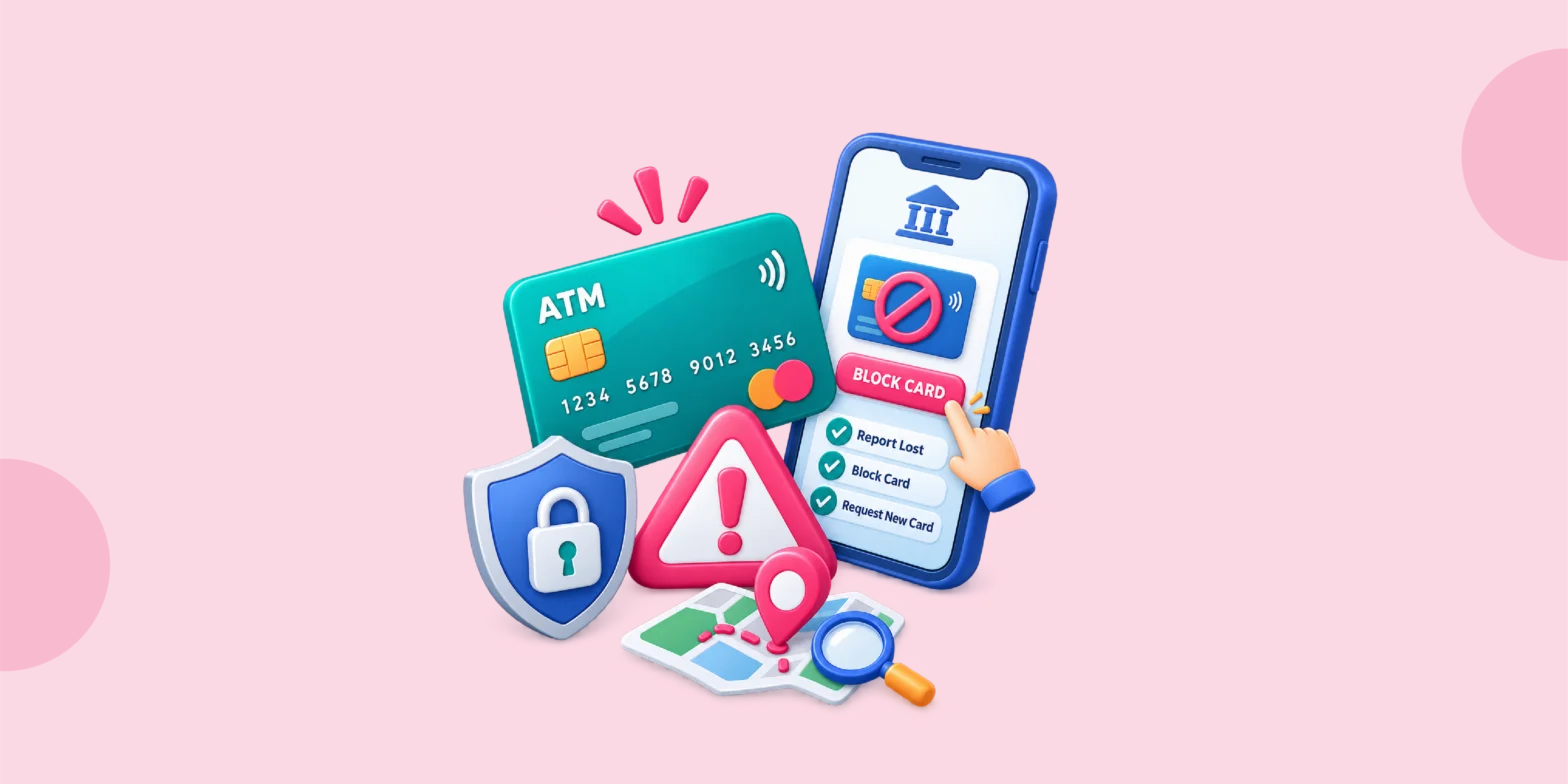
What is Debit Card Hotlisting? Meaning, Process and What Happens Next 

Debit card hotlisting permanently blocks a lost or stolen card across all channels like ATM, POS and online in seconds. This article covers the debit card hotlisting meaning, how it differs from a temporary lock, how to hotlist a debit card through the app, net banking or helpline, real-life examples and what happens to your account afterwards. Takes about 5 minutes …

Minimum Balance in Savings Account: What It is and How to Avoid Penalty Charges

This article explains what minimum balance in savings account means, how Monthly Average Balance (MAB) is calculated and what penalties Indian banks charge for non-compliance. It covers the savings account minimum balance requirement across SBI, HDFC, ICICI, Axis and Kotak banks including how the minimum balance required in bank account India differs by rural and urban branches with 2 real borrower examples …

How to Check Post Office Savings Account Balance: 7 Easy Methods

 This article covers all 7 ways to check your Post Office Savings Account balance in 2026 from the IPPB mobile app and DOP internet banking to missed call banking, SMS, ATM and passbook updates. It also explains how to link your account to UPI, register for net banking and check your PPF balance through the same portal. Most methods are instant, free and …

*99# Mobile Banking Service: Know the Features & How it Works

The *99# mobile banking service is a USSD-based banking solution that lets you check your bank account balance, transfer money and access banking services instantly without internet or smartphone. You simply have to dial *99# from your mobile phone and that it.  Isn’t it interesting? Read on to understand what it is and how it works in depth.  What is *99# Mobile Banking Service?  The …